TL;DR: The German Christmas Markets by Train: 5-Day Route | Trainvave is a curated Trainvave itinerary guiding you through Germany by train. Nuremberg → Rothenburg → Munich → Dresden → Berlin by train in 5 days.Best Christmas markets, timing, Glühwein traditions, where to stay, budget.
A 5-day Christmas market itinerary by train is the perfect way to experience Germany’s festive magic. Traveling by train means you don’t have to worry about snowy roads or parking, and you can enjoy Glühwein (mulled wine) without needing a designated driver.
Day 1: Arrival in Nuremberg (Nürnberg)
Start your trip in Nuremberg, home to one of the world’s most famous and traditional Christmas markets, the Christkindlesmarkt.
Afternoon: The Main Market
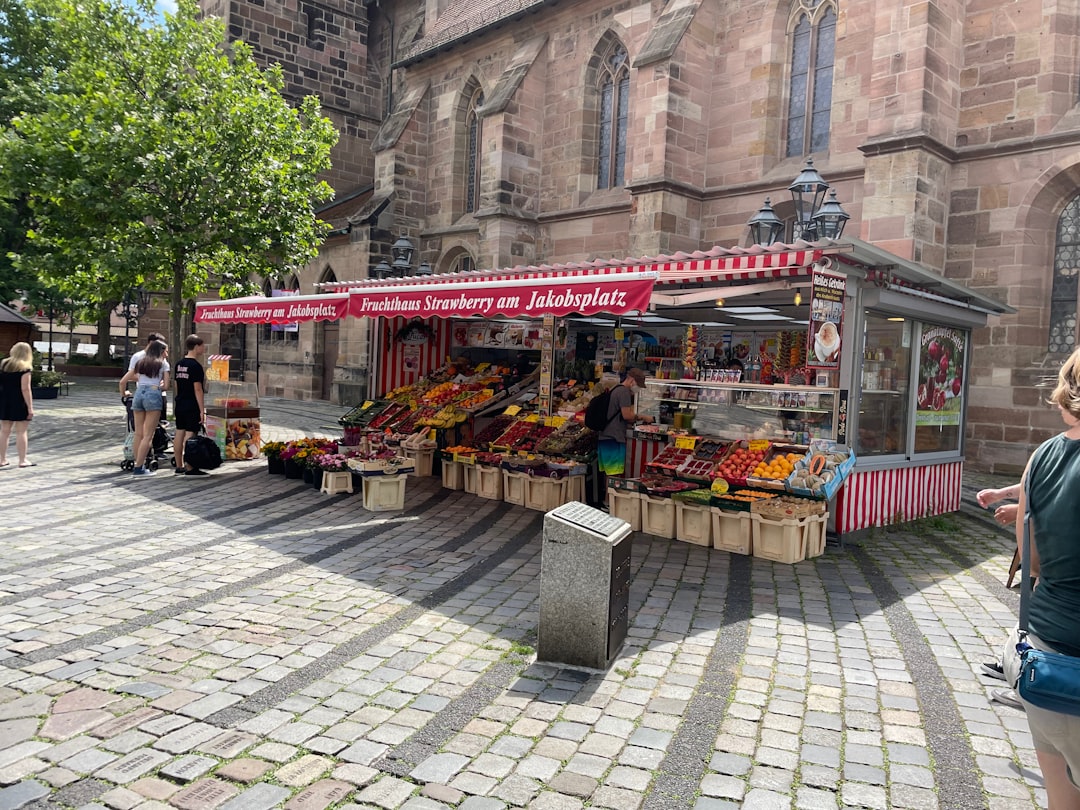
Head to the Hauptmarkt in the center of the Old Town. The market is strictly regulated—no mass-produced plastic goods are allowed. Taste the famous Nürnberger Rostbratwurst (small grilled sausages) and authentic Lebkuchen (gingerbread).
Evening: The Castle
Walk up to the Kaiserburg (Imperial Castle) for a stunning view over the city and the glowing market below.
Day 2: Day Trip to Rothenburg ob der Tauber
Experience the quintessential medieval German town.
The Journey
Take regional trains from Nuremberg to Rothenburg ob der Tauber (approx. 1 hour 15 minutes, requiring a transfer in Steinach).
The Reiterlesmarkt
Rothenburg looks like it’s made of gingerbread year-round, but it’s especially magical in December. The Reiterlesmarkt is intimate and historic. Don’t miss the Käthe Wohlfahrt Christmas Village, a massive year-round Christmas store. Try a Schneeball (snowball), a local fried dough pastry.
Day 3: Train to Munich
Travel south to the Bavarian capital.
The Journey
Take the ICE train from Nuremberg to Munich (approx. 1 hour).
Afternoon: Marienplatz Christkindlmarkt
Munich’s main market is located in front of the spectacular Neues Rathaus at Marienplatz. Browse the stalls and listen to alpine music. Just a short walk away is the Kripperlmarkt (Manger Market), specializing in nativity scenes.
Evening: Tollwood Winter Festival
For something different, head to the Theresienwiese for the Tollwood Winter Festival. It’s an alternative, eco-friendly market with international food, organic Glühwein, and performance art.
Day 4: Day Trip to Salzburg
Cross the border into Austria for a day of alpine festive charm.
The Journey
Take the train from Munich to Salzburg (approx. 1.5 to 2 hours).
Exploring the Markets
Visit the Salzburg Christkindlmarkt at the Domplatz and Residenzplatz, beneath the towering Hohensalzburg Fortress. Be sure to try some Austrian pastries and, if you’re visiting in early December, watch out for the terrifying Krampus runs!
Day 5: Munich Departure
Enjoy a final morning in Munich.
Morning: Residenz Christmas Village
If you have time before your train or flight, visit the Weihnachtsdorf im Kaiserhof der Residenz (Christmas Village in the Imperial Courtyard of the Residenz), a cozy, fairytale-like market perfect for picking up any last-minute gifts.
Related
Christmas markets general guide · Winter train travel tips · Bavaria 5-day (non-Christmas)