TL;DR: This Trainvave Guide is a comprehensive tutorial on How to Use German Train Stations: A Tourist\. Master German train stations: find platforms, read departure boards, locate facilities. First-timer's guide to navigating Berlin, Munich & Frankfurt Hbf.
Key decisions and step-by-step logic for How to Use German Train Stations: A Tourist\.
A condensed visual summary of the most important takeaways from our How to Use German Train Stations: A Tourist\ guide.
Practical rules and checklists to help you navigate How to Use German Train Stations: A Tourist\ without confusion.
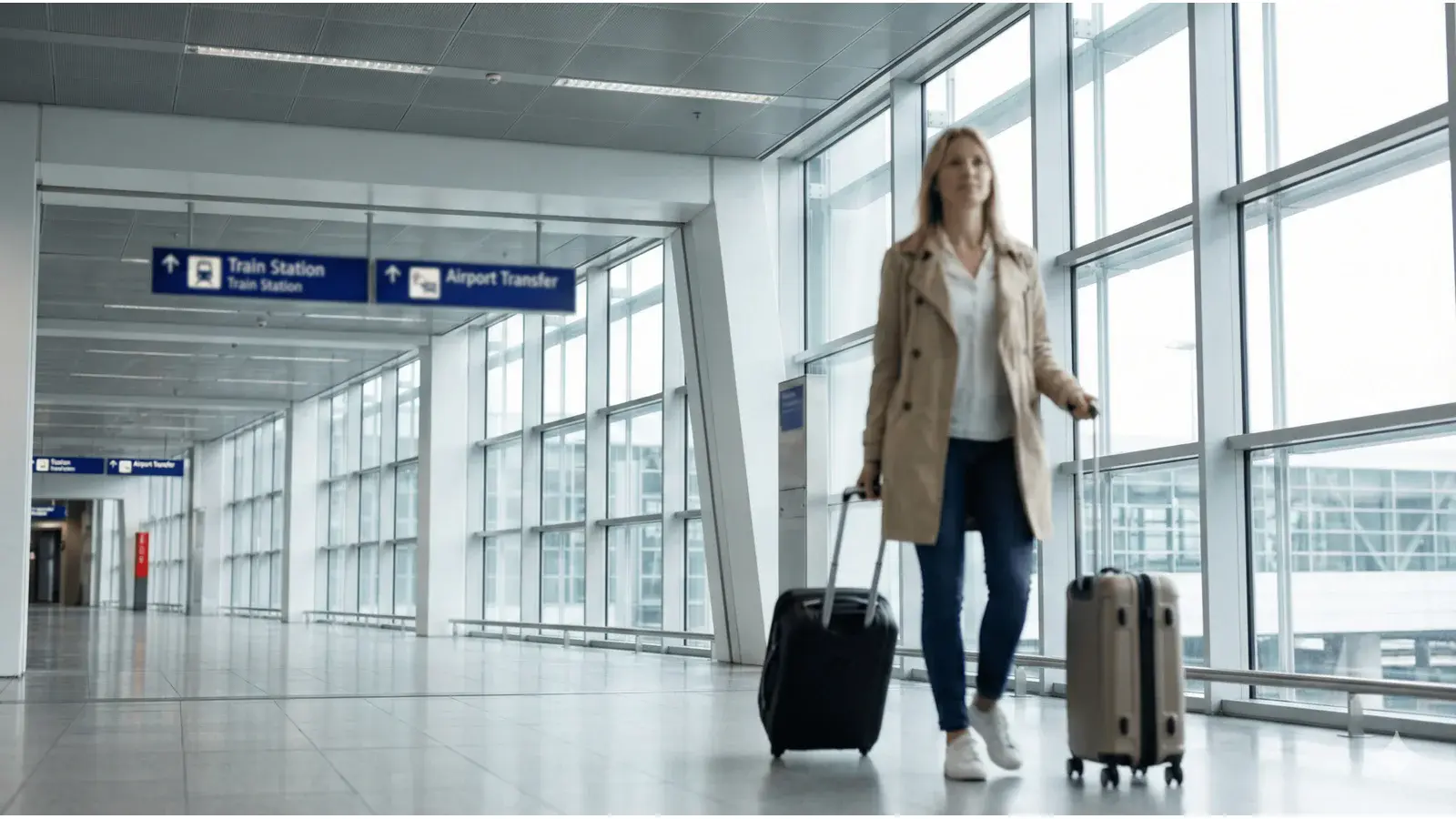
German train stations (especially large ones like Hauptbahnhof) can be overwhelming for tourists. Before arriving, download the DB Navigator app and learn about platform numbers. If you’re arriving from an airport, check our airport transfer guides. With multiple levels, dozens of platforms, and information in German, it’s easy to feel lost. Here’s everything you need to know to navigate like a local.
Understanding Station Layout
🏢 Typical Station Structure
- ✅ Ground level: Main entrance, ticket machines, information desk
- ✅ Platform level: Where trains arrive and depart (Gleis 1, 2, 3, etc.)
- ✅ Underground: Sometimes S-Bahn/U-Bahn platforms are below ground
- ✅ Upper level: Sometimes shops, restaurants, waiting areas
💡 Tip: Large stations like Berlin Hauptbahnhof have multiple levels. Follow signs carefully and don’t be afraid to ask for help!
Step-by-Step: Finding Your Train
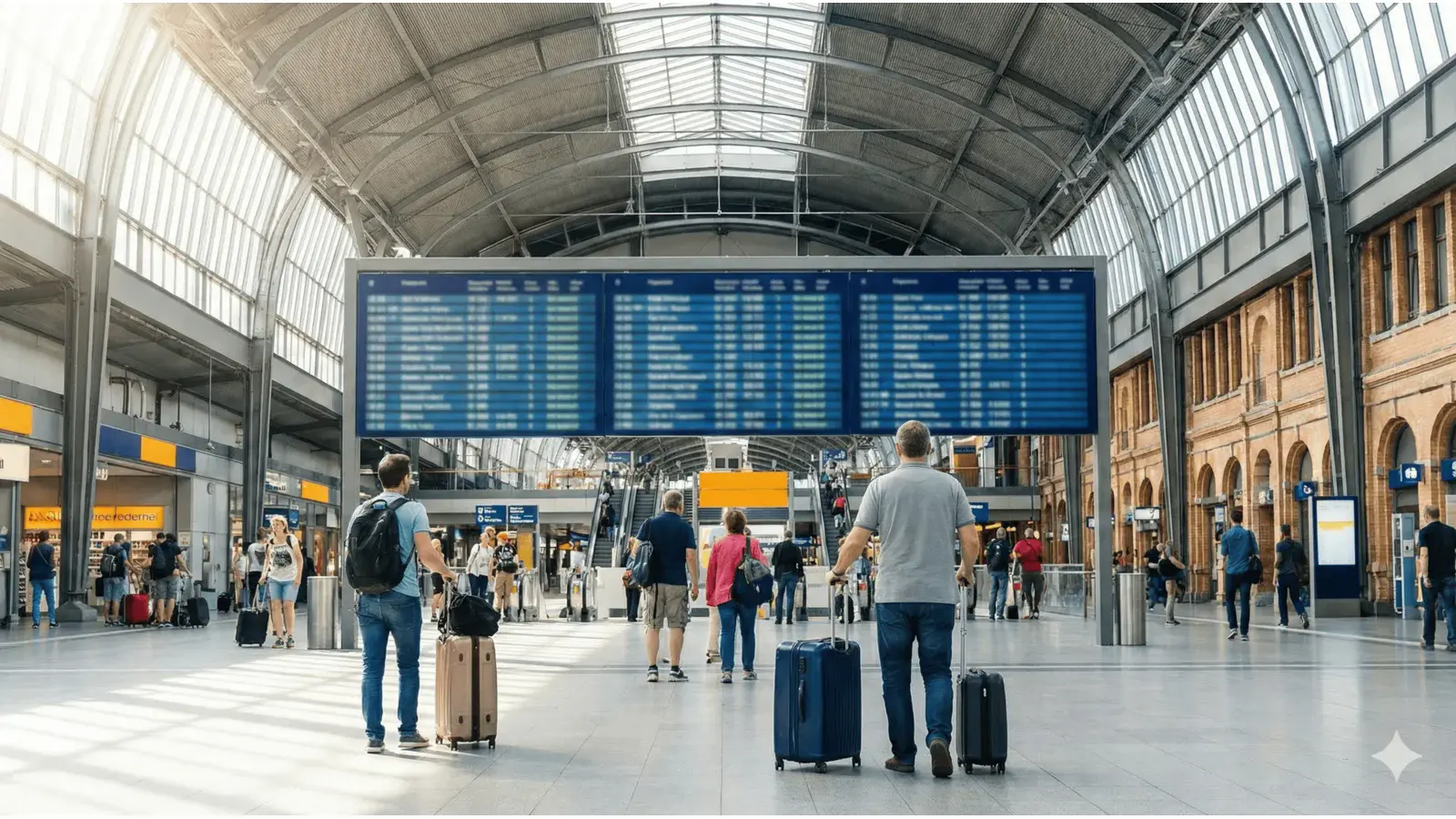
Find the Departure Board
Look for the large electronic board labeled “Abfahrt” (departures). This shows all trains leaving the station. It’s usually near the main entrance or in the center of the station.
📺 What to look for: Large screens with train information, usually yellow/white text on dark background.
Read the Departure Board
The board shows several columns:
- 🕐 Time: Departure time (e.g., 14:30)
- 🚄 Train: Train type and number (e.g., ICE 1234)
- 📍 Destination: Final destination (e.g., München Hbf)
- 🚉 Platform: Platform number (e.g., Gleis 8)
- ⚠️ Status: On time (pünktlich), delayed (Verspätung), or cancelled (entfällt)
Find Your Platform
Once you know your platform number (Gleis), follow the signs. Platforms are clearly numbered and usually have signs pointing the way: “Gleis 8” or “Track 8”.
🚶 Tip: Large stations may have platforms on different levels. Check if you need to go up or down.
Check the Platform Board
At the platform, there’s usually a smaller board showing which train is coming next. Double-check that it matches your train number and destination.
⚠️ Important: Platform assignments can change! Always check the board again before boarding.
Board Your Train
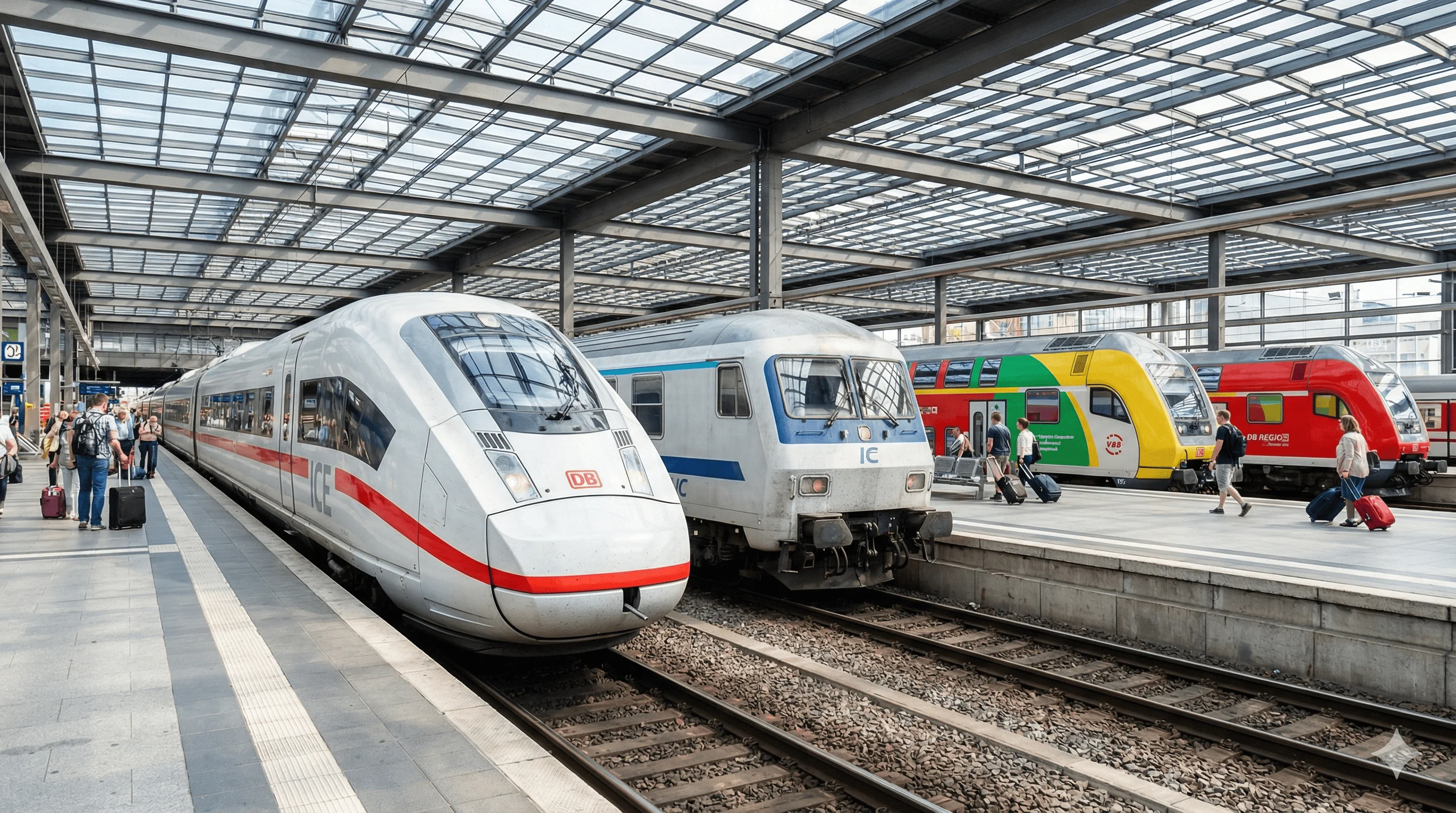
When your train arrives, check the train number on the side of the train (usually near the doors). Make sure it matches your ticket. Then board and find your seat (if you have a reservation).
🚂 Tip: Train numbers are displayed on the outside of each car. Double-check before boarding!
Understanding German Station Terms
Key Words to Know
- 🚉 Gleis: Platform/Track
- 📺 Abfahrt: Departure
- 📥 Ankunft: Arrival
- ⏰ Pünktlich: On time
- ⚠️ Verspätung: Delayed
- ❌ Entfällt: Cancelled
- 🏢 Hauptbahnhof (Hbf): Main station
- 🚇 Bahnhof: Station
Finding Important Facilities
🏢 Station Facilities
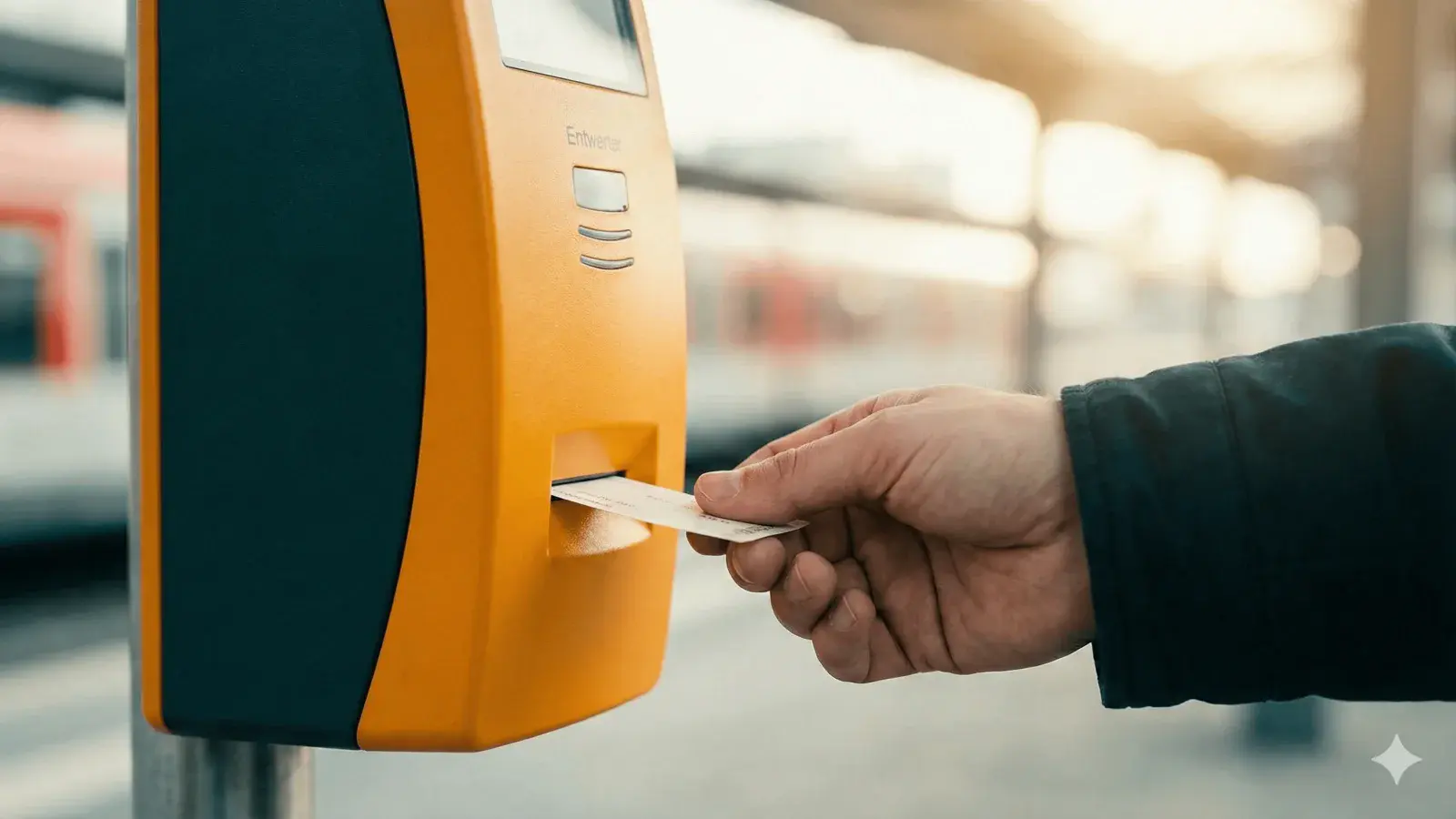
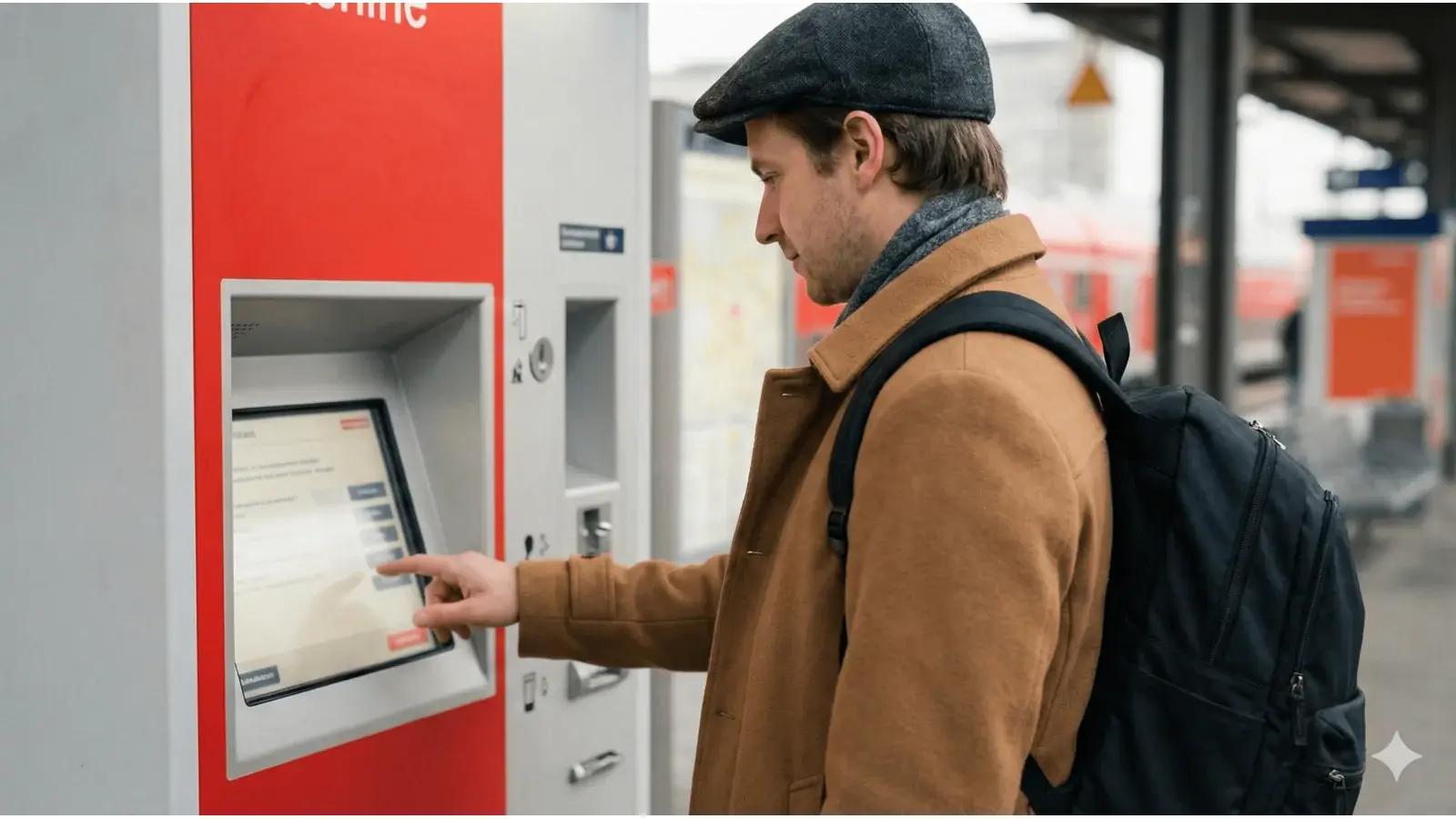
- • Ticket machines: Usually near the entrance, marked “Fahrkarten” or “Tickets”
- • Information desk: Look for “DB Information” or “Reisezentrum”
- • Luggage storage: Usually marked “Gepäckaufbewahrung” or “Schließfächer” (lockers)
- • Toilets: Usually marked “WC” or “Toiletten” (often require payment, €0.50-1)
- • Waiting areas: Usually near platforms or in the main hall
Luggage Storage
Most large stations have luggage storage options:
- 🔒 Lockers (Schließfächer): Self-service lockers, usually €3-6 per day
- 🏢 Left luggage (Gepäckaufbewahrung): Staffed service, usually €4-8 per item per day
- ⏰ Hours: Usually open 6 AM - 10 PM (check at your station)
Tip: Lockers are usually cheaper and more convenient for short-term storage.
Common Mistakes to Avoid
- ❌ Not checking the board again: Platform assignments can change at the last minute!
- ❌ Boarding the wrong train: Always check the train number on the side of the train.
- ❌ Going to the wrong platform: Double-check the platform number on the departure board.
- ❌ Not allowing enough time: Large stations require time to navigate. Arrive 15-20 minutes early.
Pro Tips
- 💡 Arrive early: Give yourself 15-20 minutes at large stations to find your platform.
- 💡 Use the DB Navigator app: Shows real-time platform information and delays.
- 💡 Check the board again: Platform assignments can change, especially for long-distance trains.
- 💡 Ask for help: Station staff are usually helpful. Look for “DB Information” or ask at the ticket counter.
- 💡 Follow the signs: German stations are well-signed. Follow the platform numbers and train type signs.
Bottom Line
Navigating German train stations is straightforward once you know what to look for. Find the departure board, note your platform number, follow the signs, and double-check the platform board before boarding. Give yourself enough time, and don’t be afraid to ask for help!
Remember: Platform assignments can change, so always check the board again before boarding, especially for long-distance trains.
Trademark Notice: Trainvave is an independent information portal and is not affiliated with, endorsed by, or connected to Deutsche Bahn AG, ÖBB, or any other railway company. All brand names, product names, and logos mentioned (including but not limited to ICE, IC, EC, DB, Deutsche Bahn) are trademarks of their respective owners and are used here solely for informational purposes.